
Residential mental health care in California depends on three factors: the level of psychiatric need, the program structure that matches those needs, and whether a facility carries the licensure and insurance coverage to make treatment accessible. Read on for a full breakdown of what to look for in the best inpatient mental health facilities in California so you can choose what’s right for you.
Key Takeaways
- Residential vs. acute inpatient are different: Residential programs offer structured 24/7 care for weeks to months; acute psychiatric hospitals focus on short-term crisis stabilization, often days.
- DHCS licensure is the baseline standard: California’s Department of Health Care Services licenses residential mental health programs, verifying licensure is the first step when evaluating any facility.
- On-site psychological testing matters for complex cases: Facilities offering on-site evaluation can confirm or refine a diagnosis before finalizing a treatment plan, which is especially important when symptoms have been unclear or chronic.
- Insurance verification is the fastest way to start: Calling admissions to verify in-network benefits takes 15–30 minutes and can confirm coverage, estimated out-of-pocket costs, and bed availability at the same time.
If you or someone you love is ready to explore residential care, call our admissions team at (844) 563-2563 to get clarity on coverage and program fit in one conversation.
Levels of Care: Choosing the Right Fit
| Level of Care | Setting | Intensity | Best For |
|---|---|---|---|
| Acute inpatient hospitalization | Hospital psychiatric unit | Highest | Crisis stabilization, imminent risk of harm |
| Residential treatment (RTC) | Home-like or campus setting | High | Moderate-severe symptoms, stabilization + skill-building |
| Partial Hospitalization (PHP) | Outpatient clinic, daily | Moderate-high | Step-down from residential, structured day treatment |
| Intensive Outpatient (IOP) | Outpatient clinic, 3x/week | Moderate | Early recovery, strong home support |
| Standard outpatient therapy | Office-based | Lower | Maintenance, mild-moderate symptoms |
For adults experiencing mood disorders, anxiety disorders, trauma-related conditions, or personality disorders that have not responded adequately to outpatient care, residential treatment is often the clinically appropriate next step.
List of the Best Inpatient Mental Health Facilities in California
California offers a range of residential mental health programs suited to different needs, populations, and clinical profiles, here are six worth knowing about.
1. Southern California Sunrise Recovery Center — Best alternative to traditional inpatient in a serene, home-like setting

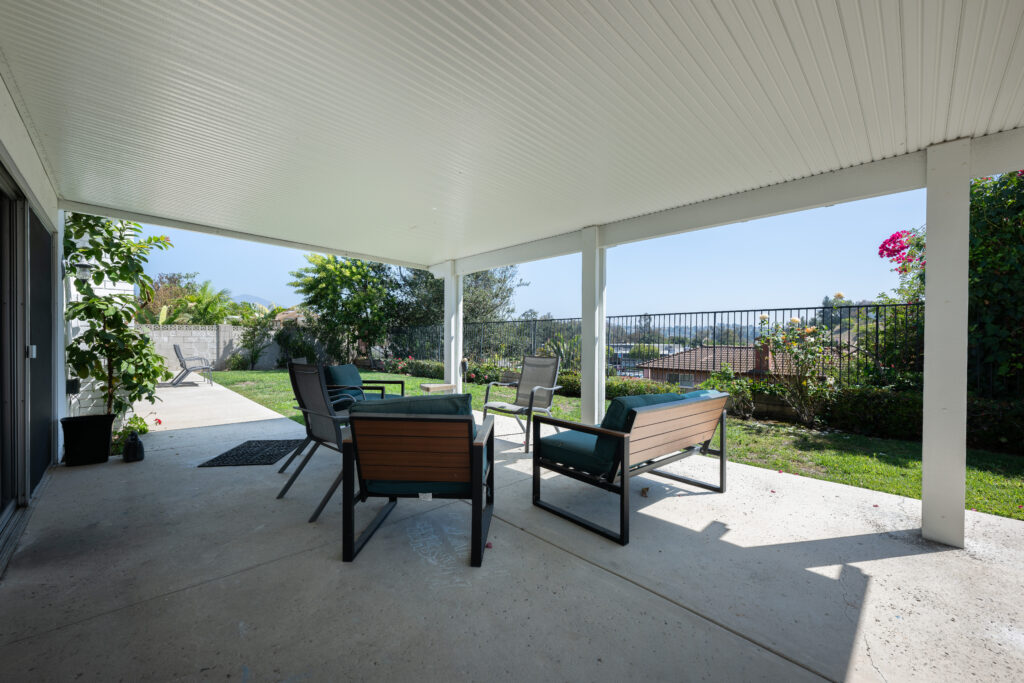
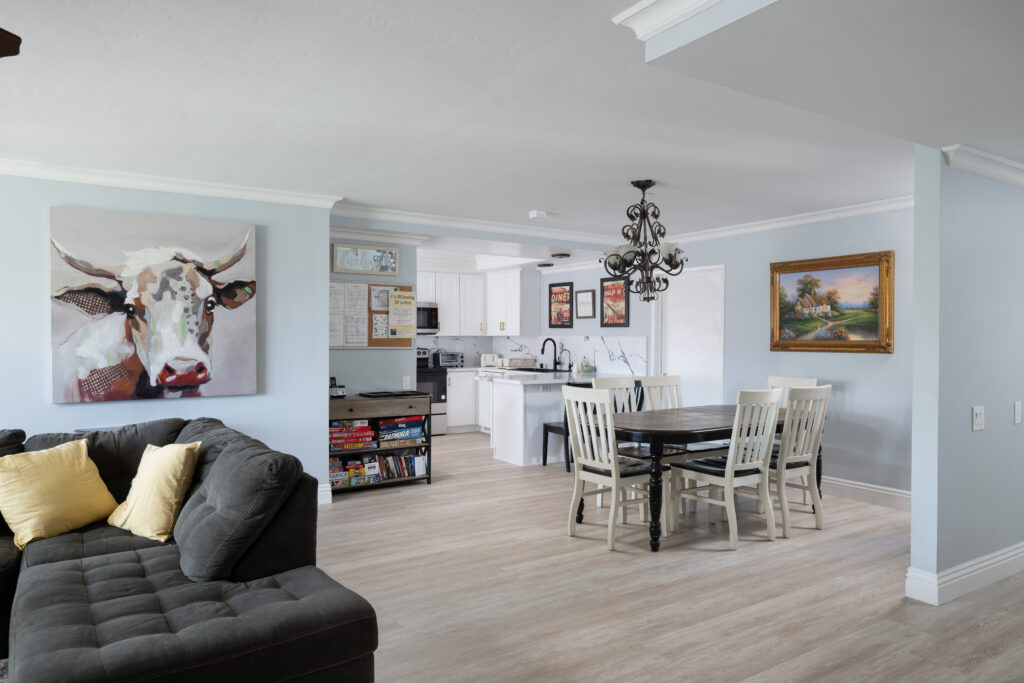
Southern California Sunrise Recovery Center offers residential mental health treatment for adults in gender-specific homes in Mission Viejo, Orange County. The program provides 24/7 clinical support, on-site psychological testing, and a full range of evidence-informed therapies within a structured but home-like environment.
SoCal Sunrise Recovery Center is the best alternative to traditional inpatient because it delivers the clinical depth of hospital-level psychiatric care inside a residential setting that feels safe, private, and personally supported rather than institutional. The family-owned model means residents receive consistent clinical relationships and individualized attention throughout their stay. In-network insurance acceptance removes one of the most common barriers families face when considering residential care.
What makes SoCal Sunrise Recovery Center stand out:
- Gender-specific residential homes for adults
- On-site psychological testing and formal diagnosis
- In-network with major commercial insurance plans
- Family-owned with a relationship-driven clinical approach
- Dual diagnosis treatment for co-occurring conditions
- Full therapy suite: CBT, DBT, equine, narrative, holistic
2. Newport Academy Sacramento — Best for teens needing structured day treatment
Newport Academy Sacramento serves adolescents ages 12–18 with tailored day treatment programs focused on healing the underlying conditions and trauma that drive depression, using experiential therapies, onsite academic support, and evidence-based clinical care. The program is Joint Commission accredited and accepts insurance, offering a structured step-down or entry-level option for teens who do not require full residential placement.
3. Hillside Recovery — Best for women seeking treatment-resistant depression support
Hillside Recovery is a 6-bed residential community in Woodland Hills focused on women, offering personalized detox and residential programs including transcranial magnetic stimulation (TMS) for treatment-resistant depression. The small client-to-staff ratio supports a highly individualized experience, with private rooms and on-site medical detox available.
4. Evolve Teen Treatment Center — Best for teens & adolescents with depression
Evolve Teen Treatment Center operates residential programs across California for teens ages 12–17, treating depression alongside substance use, anxiety, self-harm, and trauma with full-time psychiatrists and trauma-informed care. Programs in Calabasas and Mount Helix (La Mesa) offer customized treatment plans and 1-on-1 counseling in gender-informed settings.
5. Momentous Recovery Group — Best for personalized detox and medication-assisted treatment
Momentous Recovery Group offers residential detox and recovery programs in Los Angeles with a holistic, whole-person approach that incorporates medication-assisted treatment, family involvement, and certified professional clinical support. The program is Joint Commission accredited and accepts insurance, making it a well-structured option for adults ready to begin recovery from alcohol or substance use in a supportive residential setting.
6. Newport Institute Southern California — Best for young adults addressing depression alongside drug addiction
Newport Institute in Santa Ana serves young adults with a holistic, personalized approach to depression and co-occurring drug addiction, incorporating equine therapy, medication management when appropriate, and a strong focus on life skills development. The program is Joint Commission accredited and accepts insurance, with structured support for the transition back to independent living.
7. Lost Angels Treatment Center — Best for professionals managing chronic relapse
Lost Angels Treatment Center is a Joint Commission accredited residential program in Los Angeles operated under the Luxe Recovery Centers network, offering discreet, high-end recovery care for executives and professionals dealing with chronic relapse, alcohol use, and co-occurring mental health conditions. The program blends whole-person wellness with private rooms, master’s and doctoral level therapists, and customized treatment plans in a refined, low-profile environment.
How to Evaluate the Best Inpatient Mental Health Facilities in California
Not all residential programs provide the same quality of care. When comparing facilities, these are the criteria that meaningfully distinguish programs from one another.
1. DHCS Licensure and State Compliance
California’s Department of Health Care Services (DHCS) licenses residential mental health programs. Verify that any facility you consider holds a current DHCS license. Some facilities also carry accreditation from organizations like The Joint Commission, which signals additional commitment to clinical quality standards.
2. Clinical Staff Credentials and Psychiatric Access
Look for programs with licensed therapists (LCSW, MFT, or licensed psychologist), and confirm that a psychiatrist is available on-site or on-call, not just for crisis situations but for routine medication oversight.
3. Individualized Treatment Planning
Facilities that use a single treatment template for all residents, regardless of diagnosis, provide less effective care than programs that conduct thorough intake assessments, including psychological evaluation and diagnosis, before finalizing a treatment plan.
4. Breadth of Therapeutic Modalities
The best programs offer a range of evidence-informed therapies. Cognitive behavioral therapy (CBT) and dialectical behavior therapy (DBT) are the most well-researched modalities for mood, anxiety, and personality disorders. Holistic therapies like equine therapy and holistic healing add meaningful support for emotional regulation and trauma processing.
5. Insurance Acceptance and In-Network Status
Verify that the facility is in-network with your specific commercial insurance plan, not just “accepts insurance.” In-network status significantly reduces out-of-pocket costs. Southern California Sunrise Recovery Center works directly with major commercial insurers and can verify coverage on the first admissions call.
6. Gender-Specific Housing
Gender-specific residential homes may support a greater sense of safety, particularly for adults with histories of trauma or interpersonal violence. Confirm whether a facility offers gender-specific placement if this is a priority for your family.
7. Aftercare and Step-Down Planning
Quality programs do not wait until discharge week to plan next steps. Ask whether the facility offers structured discharge planning, warm handoffs to outpatient providers, and recommendations for step-down care (PHP or IOP) based on clinical progress.
Understanding the Difference: Residential Care vs. Acute Inpatient Hospitalization
People searching for “inpatient mental health facilities in California” often encounter two distinct types of programs. Understanding the difference helps families make a more confident decision.
Acute inpatient psychiatric hospitals are designed for crisis stabilization, typically stays of 3–10 days. They focus on immediate safety, medication adjustments, and ensuring a person is stable enough to transfer to a lower level of care. Admission is often involuntary or urgent.
Residential treatment centers (RTCs) like Southern California Sunrise Recovery Center provide structured, voluntary 24/7 care over weeks to months. The goal is not just stabilization but skill-building, symptom reduction, and preparation for a sustainable return to community life. Treatment includes individual therapy, group sessions, psychiatric oversight, and specialty therapies within a home-like setting.
For adults with moderate to severe symptoms who are not in immediate medical danger, residential care is generally the appropriate level of care, offering far more therapeutic depth than a brief hospital stay.
What California Residential Programs Typically Include
| Program Component | What It Includes | Clinical Purpose |
|---|---|---|
| 24/7 staffing | Trained clinical and residential staff on-site at all times | Safety monitoring, de-escalation, medication administration |
| Psychiatric oversight | Regular assessments and medication management by a psychiatrist | Stabilization and titration |
| Individual therapy | 1:1 sessions, typically 2x per week | Address core symptoms and trauma |
| Group therapy | Daily psychoeducation, DBT skills, process groups | Skills training, peer support |
| Specialty therapies | Equine therapy, art therapy, yoga, breathwork, narrative therapy | Emotional regulation, trauma processing |
| On-site psychological testing | Full psychological evaluation and formal diagnosis | Clarify complex or undiagnosed presentations |
| Family therapy | Scheduled sessions with clinicians and family members | Improve communication, prepare for transition |
| Case management | Coordination with payers, outpatient providers, discharge planning | Continuity of care |
Programs with dual diagnosis treatment also address co-occurring substance use alongside psychiatric conditions, which is clinically important, research consistently shows that treating only one condition while the other goes unaddressed reduces the effectiveness of care.
What to Expect During a Residential Mental Health Stay
Intake begins with a safety assessment, medication reconciliation, and orientation to the residential schedule. Most comprehensive programs conduct a thorough psychiatric evaluation within the first 24–72 hours. From there, residents typically follow a structured daily schedule combining:
- Morning community group or mindfulness
- Individual therapy sessions (typically 2x per week)
- Daily group therapy covering skills, psychoeducation, and process work
- Specialty or adjunctive therapy (equine, narrative, art, breathwork)
- Evening programming, meals, and structured downtime
Medications are managed under clinical supervision. Policies about electronics, personal items, and visitation are reviewed at intake and vary by facility. Family therapy is generally available with the resident’s consent, and family involvement is often a component of discharge planning.
How California’s Mental Health Parity Laws Affect Coverage
One of the most significant (and underused) developments in California residential mental health access is the strengthened enforcement of mental health parity requirements for commercial insurance plans.
California’s Mental Health Services Act and subsequent legislation, including SB 326 (effective 2024), require commercial insurers to apply the same coverage standards to mental health and substance use disorders as they apply to medical and surgical care.
This means insurers may no longer impose stricter utilization review criteria, narrower networks, or higher cost-sharing for residential mental health treatment than they apply to comparable medical levels of care.
In practical terms: if your commercial plan covers inpatient medical care, it is generally required to offer comparable access to residential mental health treatment. Many families discover that they have meaningful in-network residential coverage only after a direct insurance verification conversation with an admissions team.
Verify your insurance benefits with Southern California Sunrise Recovery Center to confirm what your plan covers, what your out-of-pocket responsibility may be, and whether prior authorization is required before admission.
Is Residential Mental Health Treatment the Right Next Step?
If you or a loved one is experiencing moderate to severe psychiatric symptoms that haven’t responded to outpatient care, residential treatment at Southern California Sunrise Recovery Center may provide the structured, clinical environment needed to stabilize and build a foundation for longer-term wellness.
Here at Southern California Sunrise Recovery Center, we offer residential mental health treatment in gender-specific homes with 24/7 clinical support, on-site psychological testing, and a range of evidence-informed therapies. We work with major commercial insurance plans and can verify your benefits in a single admissions conversation.
Verify your insurance online or call our admissions team at (844) 563-2563 to learn about program fit, next steps, and how we coordinate care with families and outpatient providers. We’re here to help you understand your options without pressure.
Frequently Asked Questions About Inpatient Residential Mental Health Care in California
What should I pack for a residential mental health stay?
Pack government-issued ID, insurance and pharmacy cards, a list of current medications, and all prescriptions in original pharmacy containers for medication reconciliation. Include comfortable clothing, closed-toe shoes, basic toiletries, and any required medical documents. Confirm the specific facility’s packing list before travel, as policies on electronics, cash, and personal items vary.
How is patient privacy handled during residential treatment?
Residential program structures follow HIPAA and California state privacy regulations. Staff explain information-sharing practices at intake and obtain written consent before releasing records to family or external providers, except in legally defined safety situations. You can ask the admissions team specifically what information will be shared with insurance, family members, and outpatient providers.
Can I bring a phone or laptop during residential treatment?
Policies vary and often change by phase of treatment. Many programs limit device access during early stabilization. Devices may be held at intake and returned according to the facility’s privileges policy. If remote work or school needs exist, discuss them with admissions before arrival so the clinical team can plan accommodations.
Are family visits and family therapy included?
Most residential programs incorporate family involvement, including scheduled visits and family therapy sessions, when clinically appropriate and with the resident’s consent. Family work is intended to improve communication and support a safer transition home. Programs will outline visiting hours and scheduling requirements during intake.
What happens if a medical emergency occurs during a residential stay?
Residential staff are trained in emergency response. Facilities coordinate with local emergency services and have protocols to transfer residents to a hospital for urgent medical care when needed. Medical emergencies are documented and communicated to family members and outpatient providers within the limits of consent and applicable law.
Do programs provide documentation for employers or schools?
Yes. Programs can provide documentation confirming admission and discharge dates, level of care, and recommended follow-up, typically with written authorization from the resident. Clinical details beyond what is needed for leave or attendance require explicit consent. Ask admissions about specific forms and turnaround times.
How are medications handled, and can I bring my own?
Medications must be disclosed at intake and brought in original pharmacy containers. Nursing or clinical staff generally administer medications to ensure safe dosing and monitor interactions. Self-administration policies vary and are typically permitted only after clinical approval. Unauthorized medications or supplements may be held for safekeeping or returned to family per facility policy.
Can someone transfer between facilities or levels of care if needs change?
Yes. Clinical reassessment can result in transfer to a higher or lower level of care when the team determines it is clinically appropriate. Transfers depend on bed availability and insurance authorization if applicable. Case managers typically coordinate transfers to maintain continuity of care.