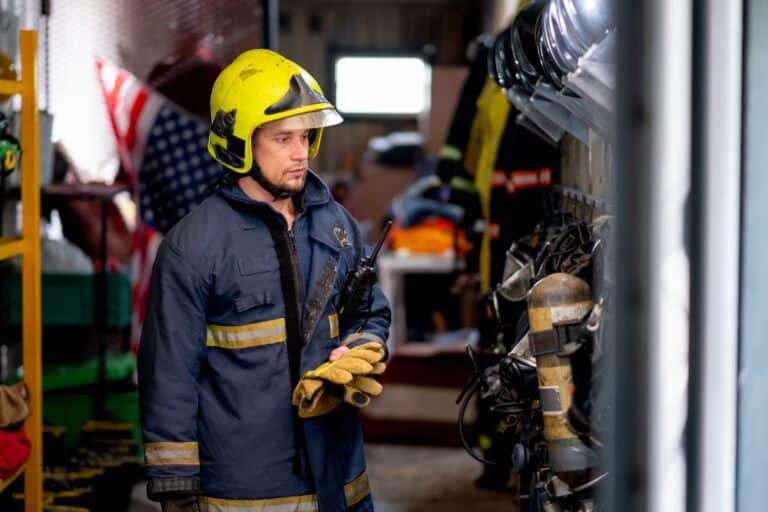
First Responder Mental Health Treatment in California
First responders, such as veterans, firefighters, police officers, and paramedics, are the backbone of emergency services in our communities.
Emergency responders dedicate their lives to protecting and serving others in crisis and danger. It is crucial to recognize and address the unique mental health challenges they face.
From crisis support to resilience training, Southern California Recovery Center is decicated to providing residential resources and programs that help our heros recover and thrive.
The Prevalence of Mental Health Issues Among First Responders
Mental health issues are alarmingly prevalent among first responders. The nature of their work makes them particularly vulnerable to conditions such as post-traumatic stress disorder (PTSD), depression, anxiety, and substance abuse. The constant exposure to traumatic events, coupled with the pressure to maintain composure and perform their duties, can lead to the development of first responder mental health disorders.
From SAMHSA (U.S. Substance Abuse and Mental Health Services Administration): It is estimated that 30% of first responders develop behavioral health conditions including depression and PTSD, compared to 20% in the general population.
From a peer-reviewed meta-analysis (PLOS One, 2022): Prevalence rates among paramedics were found to be 11% for PTSD, 15% for depression, 15% for anxiety, and 27% for general psychological distress. Other reviews reported PTSD prevalence ranging from 6.4% to 57% for firefighters and 5.8% to 19.6% for police officers.
From a peer-reviewed systematic review and meta-analysis (ScienceDirect, 2025): A comprehensive meta-analysis found an overall PTSD prevalence of 14.3% among first responders with routine exposures, with evidence of increasing prevalence over time, particularly since the COVID-19 pandemic.
From the CDC (via Psychiatric Times): The CDC has found that occupational stress in first responders is associated with increased risk of serious mental health issues including hopelessness, anxiety, depression, and posttraumatic stress.
From a peer-reviewed McLean Hospital / PMC study: Evidence indicates that the prevalence of PTSD is substantially higher among first responders than in the general population, with first responders regularly confronted by potentially life-threatening situations as well as the grave injuries and deaths of colleagues and civilians.
From New York State Government Mental Health Needs Assessment (2025): A statewide assessment of over 6,000 first responders found that 68% experienced stress, 53% reported symptoms of depression, 52% experienced anxiety, and 38% experienced symptoms associated with PTSD. Notably, thoughts of suicide were reported by 16% — four times higher than the general population.
Understanding the Mental Health Challenges of First Responders
First responders encounter high-stress situations and traumatic events on a regular basis. This constant exposure to crises takes a toll on first responder mental health. The emotional strain can arise from witnessing violence, dealing with life-threatening situations, and experiencing the loss of colleagues or victims. All these factors contribute to a heightened risk of first responder mental health issues..
Posttraumatic Stress Disorder (PTSD)
First responders are among the highest-risk groups for developing PTSD due to their repeated exposure to traumatic events such as mass casualty incidents, violent crimes, and the deaths of victims or colleagues. This condition can manifest as intrusive flashbacks, hypervigilance, emotional numbness, and severe disruptions to daily functioning that persist long after a critical incident has passed.
Acute Trauma
Acute trauma refers to the intense psychological distress that follows a single, overwhelming event such as a line-of-duty injury, a mass casualty incident, or the sudden loss of a partner. Unlike chronic trauma that builds over time, acute trauma can cause immediate symptoms including shock, dissociation, and an inability to return to normal functioning without proper support.
Compassion Fatigue
Compassion fatigue develops when first responders are repeatedly called upon to care for others in crisis, gradually depleting their emotional reserves and capacity for empathy. Left unaddressed, it can lead to emotional detachment, burnout, and a diminished sense of purpose, all of which signal that professional mental health support is needed.
Anxiety Disorders
The chronic, high-stakes nature of first responder work creates fertile ground for anxiety disorders, including generalized anxiety disorder, panic disorder, and social anxiety. First responder mental health conditions can interfere with job performance, personal relationships, and physical health, often intensifying when individuals are unable to process accumulated occupational stress.
Responder Resilience
Responder resilience refers to the psychological capacity to adapt to, recover from, and grow through the repeated adversity inherent in first responder roles. Building resilience is not about suppressing emotions. It is an active, skills-based process that equips individuals to process trauma, manage stress, and maintain their sense of identity and purpose over the course of a demanding career.
Critical Incident Stress Debriefing
Critical Incident Stress Debriefing (CISD) is a structured, group-based intervention designed to help first responders process the emotional and psychological impact of a traumatic event shortly after it occurs. By providing a safe, facilitated space to share experiences and normalize reactions, CISD can reduce the risk of developing longer-term mental health conditions such as PTSD.
Emergency Emotional Support
Emergency emotional support provides first responders with immediate, accessible mental health assistance in the aftermath of a critical incident or during periods of acute personal crisis. This type of first responder mental health support, whether delivered through peer support programs, crisis hotlines, or on-site counseling, serves as a critical bridge between the moment of distress and longer-term therapeutic care.
Trauma & Addiction Psychology
The psychological weight of repeated trauma exposure significantly elevates alcohol use risk among first responders, as many turn to substances as a way to self-medicate symptoms of PTSD, anxiety, or depression. Effective treatment must address both the underlying trauma and any co-occurring substance use simultaneously, as treating one without the other rarely leads to lasting recovery.

Barriers to Mental Health Treatment for First Responders
The demanding nature of this work puts first responders at a higher risk for developing mental health issues such as post-traumatic stress disorder (PTSD), depression, and anxiety. Despite the critical need for mental health treatment, first responders often face barriers that prevent them from seeking help. These barriers not only impact the individuals themselves but also have wider implications for the overall well-being of the first responder community.
Stigma Associated with Seeking Help
A pervasive stigma surrounds mental health within the first responder community. The fear of appearing weak or being seen as incapable may discourage individuals from reaching out for assistance. This stigma is deeply ingrained in the culture of first responders, where strength and resilience are highly valued traits. It is crucial to recognize that seeking help is not a sign of weakness but rather an act of courage and self-care.
Lack of Access to Specialized Care
Access to specialized first responder mental health services tailored to their unique needs remains limited in many areas. As a result, first responders may feel misunderstood or receive inadequate treatment. By establishing partnerships, mental health professionals can gain insights into the challenges faced by first responders, allowing them to develop tailored treatment approaches.
Additional Resources for First Responder Mental Health Services
Here are additional resources for first responder mental health support and services:
Get Mental Health treatment in Orange County
Whether you came here to get help for yourself or a loved one, our therapists and counselors at Southern California Sunrise Recovery Mental Health Center in Mission Viejo of Orange County would love to help.
View our what we treat page to see some of the many disorders we have worked with. You can also see other services and therapeutic options on our program page. We are dedicated to providing the best first responder mental health services and treatment.
Feel free to give us a call or send us a message with the contact form below anytime!