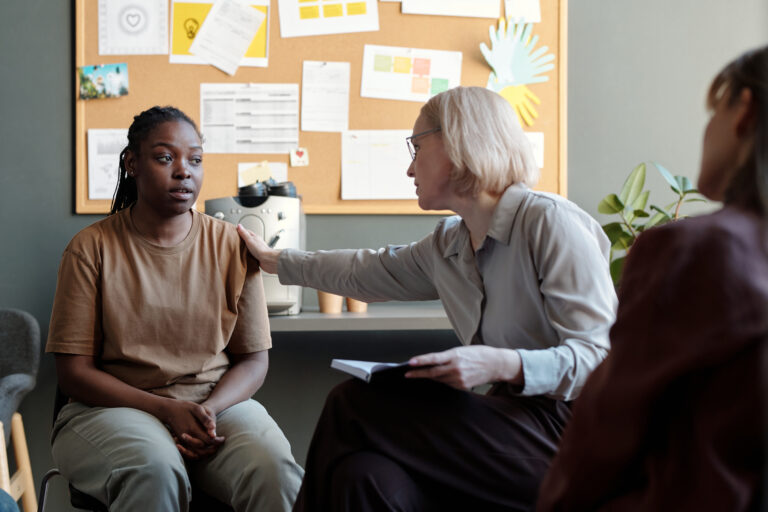
Mental Health Residential Treatment
Comprehensive residential mental health treatment for depression, anxiety, trauma, ADHD & bipolar disorder.
Proudly serving residential mental health programs to Mission Viejo and surrounding South Orange County communities including Laguna Niguel, Lake Forest, San Juan Capistrano, Rancho Santa Margarita, Dana Point, Aliso Viejo, and beyond.
What is Residential Treatment for Mental Health?
Residential mental health treatment is comprehensive, 24/7 care in a supportive living environment for individuals struggling with mental health conditions, focusing on stability, skill-building, and long-term recovery.
Residential mental health treatment becomes necessary when patients require intensive, round-the-clock support for severe symptoms, crisis stabilization, or safety concerns.
Benefits of residential mental health treatment include:
24/7 comprehensive care in a supportive, serene environment.
Personalized treatment plans with evidence-based therapies like psychotherapy, CBT, and behavioral therapy.
Thorough assessments, including lab tests and psychological evaluations, for accurate diagnosis.
Skill-building for long-term stability, comfort, and independence.
Tailored support for conditions like anxiety, trauma, and behavioral disorders.
Benefits of Mental Health Residential Treatment
Why do people choose residential treatment for mental health? There are evidence-based benefits to completing a residential program like ours:
Symptom Reduction Across Diagnoses: Multiple reviews show residential psychiatric treatment results in positive outcomes across psychiatric symptoms, behavior, and overall functioning, findings consistent across 16 cross-national studies.
Mental Health Improvements Are Consistent Across Studies: In a major systematic review, the vast majority of residential treatment attendees experienced improvements in mental health symptoms over time, spanning specific diagnoses like PTSD through general functioning.
Social Functioning Improves Universally: Every study measuring social well-being outcomes reported improvements among residential treatment attendees, from broad quality of life to specific markers like employment and finances.
Long-Term Gains Are Maintained Post-Discharge: Youth in residential treatment showed significant improvements in symptom severity that were maintained 36 to 40 months post-discharge, well beyond the treatment period itself.
Residential Care Performs Comparably to Hospitalization—at Lower Cost: A review of 26 studies found acute residential programs produced clinical improvements equal to inpatient hospital units, with similar readmission rates, cost benefits, and higher user satisfaction.
Reduced Suicide Risk During Treatment: Individuals in residential treatment showed reduced suicide attempts during treatment compared to those receiving outpatient care.
Inpatient Rehabilitation Reduces Readmissions and Improves Quality of Life: A 2024 scoping review found residential psychiatric rehabilitation programs consistently produced reduced readmissions, improved psychosocial functioning, and enhanced quality of life.
Integrated Mental Health Treatment Is Best Practice: A peer-reviewed systematic review concluded that best-practice residential treatment integrates mental health support as a core component (not an add-on) alongside continuity of care post-discharge.
Trauma-Informed Care Improves Outcomes for Clients and Staff: Trauma-informed care in residential settings is linked to improved mental health, reduced aggressive incidents, and better staff satisfaction and retention.
Government Recognition of Residential Care’s Role: A SAMHSA-commissioned review found that integrated residential treatment was equally, and in most studies more, effective than standard treatment across mental health and broader life outcomes.
How Our Residential Mental Health Treatment Stands Out
Southern California Sunrise Recovery Center residential treatment offers several advantages over outpatient care for individuals with severe or persistent mental health symptoms:
Holistic Approach to Healing
We believe in a holistic approach to healing that attends to the needs of the mind, body, and soul. This includes mindfulness practice, physical wellness considerations, equine therapy, and even an on-site music production program.
Intensive, Focused Healing
Our residential treatment allows individuals to fully focus on their mental health without the distractions and stressors of daily life. This intensive approach often leads to faster, more comprehensive results than outpatient treatment alone.
24/7 Professional Support
We have round-the-clock access to mental health professionals ensures immediate support during difficult moments and consistent guidance throughout the healing process.
Comprehensive Assessment and Treatment
Our residential program provides thorough psychological evaluations and personalized treatment plans that address all aspects of mental health, including any co-occurring conditions.
Structured Therapeutic Environment
We have a structured daily schedule with various therapeutic activities that help individuals develop healthy routines and coping strategies that can be maintained after treatment.
Peer Support Network
We empower clients to connect with others facing similar challenges, creating powerful support networks and reducing the isolation often experienced with mental health conditions.
What People Are Saying:
Posted onTrustindex verifies that the original source of the review is Google. My experience here was truly great. At the beginning, I wanted to leave. It was hard to admit I needed help. But I'm glad I stayed. The staff here made all the difference. My therapist, Andrew, and my case manager, Michael, were both incredible. They really listened and guided me through everything. The other stuff included Olivia, Angy, Mike (the driver) and Varla are some of the most caring and compassionate people I’ve ever met. Just amazing all around. If you’re thinking about coming here, whether it’s your first time or your fifth, I know how scary it can be. But I’m telling you, this place can make a difference. It definitely did for me. In addition to this, I met an amazing friend as well. Thank youPosted onTrustindex verifies that the original source of the review is Google. My son just completed a 30 day program at SoCal Sunrise and we could not be more pleased. Andrew, Shannon and Ally as well as all of the staff were incredibly kind, patient and supportive. The entire team is vested in the recovery of their residents and encouragement is given every step. If my son had a rough day, one of the staff members was right along side to motivate my son to keep going. He felt supported and heard, I am so grateful to this team. Highly recommend for anyone or a loved one who needs this type of program. Thank you thank you!Posted onTrustindex verifies that the original source of the review is Google. Posted onTrustindex verifies that the original source of the review is Google. My son was at this facility for about 45 days and discharged recently. The staff were kind and efficient and took care of everything he needed on time. Specially, Andrew (project manager) and Shannon (case worker) tried to find a right place very hard as a aftercare program for my son even though it passed over scheduled discharging date. They were responsible and reliable. Thanks for your work ! Andrew and Shannon !!Posted onTrustindex verifies that the original source of the review is Google. I was here for 37 days for mental health inpatient. The techs, specifically Cameron Anthony and Fadi, were incredibly kind and helpful in my process. My case manager, Heather, was beyond amazing. Between helping with my family and my future I would recommend her to anyone looking for substance abuse or mental health help.Posted onTrustindex verifies that the original source of the review is Google. If you’re considering treatment and are thumbing through reviews to get a feel for anyplace, I can tell you with certainty that CSC is the place! From the moment I arrived at the Alcazar house which is their detox facility Angelique, and Lacy put me at ease. As I got a few days under my belt and conversed with all staff about serious issues like my treatment and other general talk. I found humor as my best friend to pass the time.Speaking of honor I have to shout out my brother Dave who I had a bond in back and forth razzing that I hope helped him pass his time at work as much as it helped me pass my time in detox. My guy Jacob also was a night time staff member who kept it light and bearable through the first stage. If you have the courage and wherewithal to get through this stage you’d move into the residential phase. For me that was the Vanessa house. While there we engaged in group therapy, random outings ( if any body in ownership is reading this spending a few more dollars on some more creative outings would be my only constructive criticism) and for the most part bonding with my fellow peer clients I was lucky enough to have by my side. (Shout out Daniel, Kokil, And Eric stay strong my fellow 4 pack nugget boys!) While here I enjoyed some amazing culinary masterpieces from Britney, and jaw jacked With Cristian about anything under the sun. Typically day time staff would also include Cody my boy I’m sorry I know you were only doing your job, and Orion. Orion is 22 years young but tackles his sobriety and his job in groups as if he was in his mid thirties. Rose is also a tech I couldn’t quite figure out her schedule though lol she’s all over the place, like the SCS rover…thanks for always listening to my rants! As night time would approach my dude Michael would arrive. He was super thorough in getting us dinner, facilitating phone calls and the unenviable task of passing out meds. Thanks my dude! Other night time staff at Vanessa included Erin, and Yesella. Erin brought us some special deserts and refreshments for NYE thanks for that! Yesella was on staff for my last night and was nice enough to lend her ear as I’m a serial blabber, thanks for listening I appreciate all of you guys. I can’t forget Benny the butcher, who does a lot of tasks for SCS our healthy back and forth verbal jousting was super fun! My therapist David was along for my whole ride and was a valuable resource who I felt at ease opening up to. Lastly I owe a debt of gratitude to Chad who was my case manager, He placed me at Tres Vistas my IOP, and also led what I felt were the most helpful groups. Chad I can say now you should insist a little harder that clients accept this phase of recovery as at first I was skeptical. I’m closing if you’re really considering recovery SSC was a god send for me, and I’d stake my life on vouching for them as a Company, and a gift. Thanks you guys for my recovery gift. I would also be remiss if I didn’t thank you guys for putting up with my shenanigans. If there was a review on clients I.e. Uber I’m scared to see what that would’ve looked like halfway through my stay lol.

Our Approach
At Southern California Sunrise Recovery Center, we employ a holistic approach to residential mental health treatment:
Individual Therapy
Each client works with licensed therapists specializing in their specific mental health conditions. Individual sessions focus on:
- Processing underlying trauma or emotional issues
- Developing personalized coping strategies
- Addressing cognitive patterns that contribute to symptoms
- Building self-awareness and emotional regulation skills
- Creating realistic goals for recovery and daily life
Group Therapy
Our specialized group therapy sessions provide opportunities to:
- Share experiences with others facing similar challenges
- Learn from peers’ successes and strategies
- Practice new communication and social skills
- Build lasting support networks
- Reduce feelings of shame and isolation
Family Therapy and Communication
Mental health conditions affect entire family systems. Our family therapy components include:
- Improving communication patterns with loved ones
- Addressing family dynamics that may contribute to stress
- Education for family members about mental health conditions
- Building stronger, healthier relationships
- Planning for ongoing family support after treatment
Life Skills Development
Our program includes practical life skills training covering:
- Stress management and emotional regulation
- Time management and organization
- Healthy boundary setting
- Problem-solving and decision-making skills
- Building and maintaining supportive relationships
Psychiatric Care and Medication Management
Our psychiatric team provides comprehensive medication evaluation and management, ensuring optimal treatment for each individual’s specific needs and circumstances.
Creating a Supportive Residential Treatment Environment
Our Mission Viejo facility is designed to provide comfort and support during the healing process:
Comfortable Accommodations
- Private and semi-private rooms designed for relaxation and rest
- Common areas for socializing and group activities
- Quiet spaces for individual reflection and personal time
- Technology access for staying connected with support systems
Therapeutic Spaces
- Comfortable therapy rooms for individual and group sessions
- Outdoor areas for relaxation and mindfulness activities
- Art therapy and creative expression spaces
- Fitness and wellness facilities for physical health
24/7 Support System
- Experienced staff available around the clock
- Crisis support for managing difficult emotions or situations
- Immediate access to clinical team when needed
- Safe, secure environment for healing and recovery
Specialized Residential Programs and Support
Southern California Sunrise Recovery Center offers a variety of specialized residential treatment programs for different groups:
Young Adult Mental Health
Specialized support for adults aged 18-25 facing:
- Transition challenges from adolescence to adulthood
- College or career-related stress and anxiety
- Identity development and relationship concerns
- Social anxiety and adjustment difficulties
Adult ADHD Program
Comprehensive treatment for adults with ADHD, addressing:
- Executive function challenges
- Time management and organization
- Emotional regulation difficulties
- Relationship and communication issues
- Career and educational goal setting
Trauma Recovery Program
Specialized support for individuals with:
- Complex trauma histories
- PTSD from various life experiences
- Childhood abuse or neglect
- Military trauma and combat exposure
- Accident or medical trauma
Mood Disorder Specialization
Focused treatment for individuals with:
- Major depressive disorder
- Bipolar I and II disorders
- Seasonal affective disorder
- Treatment-resistant depression
- Anxiety and mood disorder combinations
Life Transition Support
Support for individuals facing major life changes:
- Career transitions or job loss
- Relationship changes or divorce
- Loss of loved ones or significant relationships
- Health challenges or chronic illness
- Empty nest syndrome or retirement adjustments
Residential Treatment Duration and Flexibility
Understanding that every individual’s situation is unique, we offer flexible treatment options:
Typical Treatment Length
Most individuals benefit from 30-90 days of residential treatment, depending on:
- Severity and complexity of mental health conditions
- Response to treatment interventions
- Personal circumstances and support systems
- Individual goals and treatment needs
Flexible Scheduling
We work with individuals to accommodate:
- Important personal and professional commitments
- Family events and significant occasions
- Legal obligations or court dates
- Educational requirements or deadlines
Gradual Transition
Our step-down approach may include:
- Intensive outpatient programming after residential treatment
- Continued individual and family therapy
- Regular check-ins with our treatment team
- 24/7 crisis support during transition periods
Maintaining Important Connections During Residential Treatment
We understand that individuals have important relationships and responsibilities that need attention during residential treatment:
Flexible Communication
- Scheduled phone calls and video chats with family and friends
- Support for maintaining important relationships
- Coordination with employers when appropriate
- Technology access for staying connected
Family Involvement
- Educational sessions for family members about mental health
- Family therapy sessions to improve relationships
- Planned family visits in our therapeutic environment
- Preparation for successful reintegration after treatment
Professional and Personal Responsibilities
Our team helps coordinate:
- Communication with employers about treatment needs
- Management of urgent personal responsibilities
- Planning for continued obligations after treatment
- Ensuring important matters are addressed during care
When to Consider Mental Health Residential Treatment
Consider residential mental health treatment if you’re experiencing:
Severe or Persistent Symptoms
- Depression that significantly impacts daily functioning
- Anxiety that prevents you from working, socializing, or managing responsibilities
- Trauma symptoms that interfere with relationships and daily life
- Mood swings that create instability in important areas of life
- Difficulty concentrating or managing daily tasks due to mental health symptoms
Safety Concerns
- Thoughts of self-harm or suicide
- Feeling unsafe due to mental health symptoms
- Engaging in risky behaviors that could harm yourself or others
- Complete inability to function in daily life
Failed Outpatient Treatment
- Multiple attempts at outpatient therapy without significant improvement
- Medication trials that haven’t provided adequate symptom relief
- Inability to attend outpatient appointments consistently
- Need for more intensive intervention than weekly therapy can provide
- Co-occurring conditions that require specialized, integrated treatment
Long-Term Success and Recovery of Residential Graduates
Our goal extends beyond symptom management to creating lasting positive changes:
Relapse Prevention
- Identifying early warning signs of mental health symptoms
- Creating personalized action plans for managing stress
- Building ongoing support networks and resources
- Developing sustainable self-care practices
- Understanding how to access help quickly when needed
Improved Life Functioning
Individuals who complete our program often report:
- Better emotional regulation during stressful situations
- Improved relationships with family, friends, and colleagues
- Increased confidence and self-awareness
- Better work performance and life satisfaction
- Reduced symptoms and improved overall well-being
Ongoing Support Systems
- Alumni groups and peer support networks
- Continued therapy and treatment options
- Crisis intervention services when needed
- Educational workshops and skill-building opportunities
- Referrals to community mental health resources
Mental Health Conditions We Treat in Our Residential Programs
Our residential program provides specialized care for adults facing various mental health challenges:
Depression and Mood Disorders
Depression affects millions of adults and can significantly impact work performance, relationships, and daily functioning. Our comprehensive approach addresses both the symptoms and underlying factors contributing to depressive episodes, helping individuals develop sustainable strategies for managing their mental health. Learn more about our specialized Depression Treatment in Orange County.
Anxiety Disorders
From generalized anxiety disorder to panic disorder and social anxiety, anxiety conditions can be debilitating when left untreated. Our program helps individuals understand their anxiety triggers and develop effective coping mechanisms to reduce symptoms and improve quality of life. Explore our comprehensive Anxiety Treatment in Orange County.
Trauma and PTSD
Unresolved trauma can manifest in various ways, affecting relationships, work performance, and overall well-being. Our trauma-informed care approach creates a safe environment for processing difficult experiences while building resilience and healthy coping strategies. Discover our comprehensive PTSD Treatment in Orange County.
ADHD in Adults
Many adults discover they have ADHD later in life, often when managing multiple responsibilities becomes overwhelming. Our program addresses executive function challenges, attention difficulties, and emotional regulation while providing practical tools for daily life management. Visit our ADHD Treatment in Orange County page for detailed information.
Bipolar Disorder
The mood fluctuations associated with bipolar disorder can create significant challenges in maintaining stability in relationships and responsibilities. Our treatment approach focuses on mood stabilization, trigger identification, and developing consistent daily routines. Learn about our specialized Bipolar Disorder Treatment in Orange County.
Dual Diagnosis Conditions
When mental health conditions co-occur with other issues, integrated treatment is essential. Our dual diagnosis program addresses multiple conditions simultaneously for better long-term outcomes. Learn more about our Dual Diagnosis Treatment Center in California.
Our Evidence-Based Treatment Modalities
Our residential program incorporates proven therapeutic approaches. Explore all of our evidence-based programs in detail:
Cognitive Behavioral Therapy (CBT)
CBT helps individuals identify and change negative thought patterns and behaviors that contribute to mental health symptoms. This approach is particularly effective for depression, anxiety, and trauma-related conditions.
Dialectical Behavior Therapy (DBT)
DBT skills help individuals manage intense emotions, improve distress tolerance, and enhance interpersonal relationships. These skills are valuable for various mental health conditions.
Trauma-Informed Care
Our trauma-informed approach creates safety and helps individuals heal from past experiences while developing healthy coping strategies for managing trauma symptoms.
Mindfulness-Based Interventions
Mindfulness practices help individuals stay present, manage stress, and respond thoughtfully rather than react impulsively to challenging situations.
We also offer specialized holistic therapy approaches including mindfulness practices, yoga therapy, and other integrative healing modalities to support overall wellness.
Narrative Therapy
This approach helps individuals re-author their life stories, separating their identity from their problems and building on their strengths and values.
Addressing Common Concerns About Residential Treatment
“I’m worried about taking time away from my responsibilities”
Our clinical team helps individuals understand that investing in mental health treatment leads to better functioning in all areas of life. We work with each person to manage important responsibilities during treatment.
“I feel embarrassed about needing this level of care”
Mental health conditions are medical conditions that deserve proper treatment. Seeking residential care demonstrates strength and commitment to recovery, not weakness.
“I’m concerned about the cost of treatment”
We work with most major insurance providers and offer financial assistance options. Our admissions team will help you understand your coverage and explore all available options.
“I don’t know if I’m ‘sick enough’ for residential treatment”
If mental health symptoms are significantly impacting your daily life, relationships, or well-being, residential treatment may be beneficial. Our assessment team can help determine the most appropriate level of care.
“I’m worried about what others will think”
Mental health treatment is confidential, and you can share as much or as little as you choose about your treatment experience. Many people find that taking care of their mental health actually improves their relationships and life satisfaction.
Insurance and Financial Considerations
Southern California Sunrise Recovery Center is in-network with many major insurance providers:
Accepted Insurance Plans
- Aetna
- Anthem Blue Cross Blue Shield
- Cigna
- Humana
- Magellan Healthcare
- United Healthcare
- Covered California plans
- TriCare and other federal programs
Verification Process
Our admissions team will:
- Verify insurance benefits quickly and thoroughly
- Explain coverage details and any out-of-pocket costs
- Work with you to understand financial obligations
- Provide information about payment options when needed
Additional Financial Support
We can provide information about:
- Employee assistance programs that may cover treatment
- Financial assistance options for qualifying individuals
- Payment plans to make treatment accessible
- Community resources and support programs
Contact Southern California Sunrise Recovery Center Today
Mental health challenges can feel overwhelming, but recovery is possible with the right support and treatment. At Southern California Sunrise Recovery Center, we provide comprehensive residential mental health treatment in a supportive, therapeutic environment designed to help you achieve lasting wellness and improved quality of life.
Our experienced team understands the courage it takes to seek help for mental health conditions. We’re here to support you through every step of the process, from initial assessment through successful transition back to daily life with improved coping skills and mental health stability.
Help is Available – Take the First Step
Take the first step toward mental health recovery by reaching out to our compassionate admissions team. We’re available 24/7 to answer your questions and help you understand how our residential mental health program can support your journey toward wellness.
Call us today at (855) 601-6214 to speak with our admissions specialists about:
- Your specific mental health concerns and treatment needs
- Insurance verification and coverage options
- Treatment timeline and program details
- How our residential program can help you achieve your recovery goals
- Our evidence-based approach to mental health treatment
You can also visit our Mission Viejo facility for a tour and consultation. Take a virtual Facility Tour or visit us in person. We’re located at:
Southern California Sunrise Recovery Center
25481 Gloriosa Dr
Mission Viejo, CA 92691
Don’t wait for mental health challenges to become overwhelming. Contact us today to learn how residential mental health treatment can help you develop the tools and skills needed for lasting recovery and improved well-being.
For additional support and information, visit our Resources page and explore our Blog for helpful articles on mental health topics and recovery strategies.
References
de Andrade, D., Elphinston, R. A., Quinn, C., Allan, J., & Hides, L. (2019). The effectiveness of residential treatment services for individuals with substance use disorders: A systematic review. Drug and Alcohol Dependence, 201, 111–125. https://doi.org/10.1016/j.drugalcdep.2019.03.031
George, P., Gery, M., Blume, A., & Shern, D. (2014). Residential treatment for individuals with substance use disorders: Assessing the evidence. Psychiatric Services, 65(3), 301–312. https://doi.org/10.1176/appi.ps.201300242
Hayes, S., Maguire, T., Rone, A., & Harvey, C. (2018). Inpatient psychiatric care outcomes for adolescents: A test of clinical and psychosocial moderators. PMC/National Library of Medicine. https://pmc.ncbi.nlm.nih.gov/articles/PMC7531619/
Lee, B. R., & Thompson, R. (2011). Long-term outcomes of children and youth accessing residential or intensive home-based treatment: Three year follow up. Journal of Child and Family Studies, 20(5), 660–668. https://doi.org/10.1007/s10826-010-9425-1
Leff, H. S., & Wieman, D. A. (1999). Comparison of outcomes of acute care in short-term residential treatment and psychiatric hospital settings. Psychiatric Services, 50(3), 401–406. https://doi.org/10.1176/ps.50.3.401
Mefodeva, V., Katsikitis, M., & Turner, K. (2024). Feasibility and outcomes of a trauma-informed model of care in residential treatment. Journal of Substance Use & Addiction Treatment. https://doi.org/10.1016/j.jsatjournal.2024.00283
Morin, L., & Franck, N. (2024). Components and effectiveness of adult inpatient psychiatric rehabilitation programs: A scoping review. PMC/National Library of Medicine. https://pmc.ncbi.nlm.nih.gov/articles/PMC12652770/
Recovery Research Institute. (2025). What is the evidence for residential treatment? A review and update. https://www.recoveryanswers.org/research-post/residential-treatment-review-update/
Substance Abuse and Mental Health Services Administration. (2014). Assessing the evidence base series: Residential treatment. U.S. Department of Health and Human Services. https://psychiatryonline.org/doi/pdf/10.1176/appi.ps.201300242