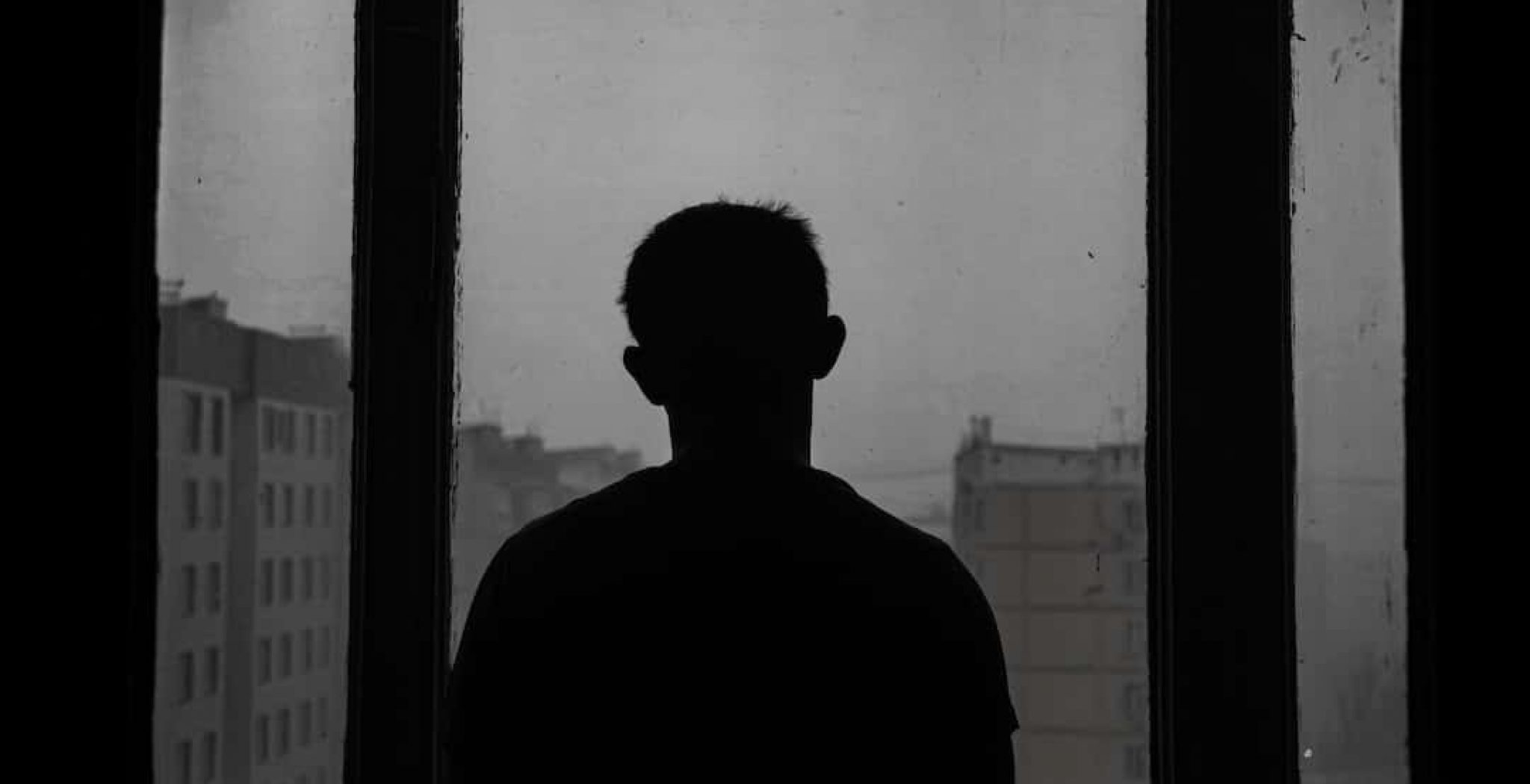
Signs of depression can affect how you think, feel, move through your day, and connect with the people you love. Depression is highly treatable, and noticing symptoms early is often the first step toward getting the right help.
If you or someone you love is struggling with lasting signs of depression that interfere with daily life, reach out to us at Southern California Sunrise Recovery Center in Orange County, CA, to verify your insurance and help determine what treatment options are right for you.
What is depression? Our expert advice
Depression (major depressive disorder) is a mood disorder that causes a persistent feeling of sadness, emptiness, or loss of interest in normal activities. It affects how you feel, think, and behave, and can interfere with work, school, relationships, and basic daily tasks. Symptoms usually last most of the day, nearly every day, for at least two weeks, and often longer.
Depression is not a personal weakness, and it is not something you can simply “snap out of.” Many people need a combination of psychotherapy, medication, lifestyle changes, and support to feel better. With the right treatment plan, most people with depression experience meaningful relief and can return to a full, satisfying life.
Do I Have Chronic Depression? 9 Signs of Depression
Depression does not look the same for everyone. Some people experience intense symptoms that are hard to miss. Others live with a more chronic, “low-grade” depression that may go unnoticed for years, but still causes significant suffering and impairment. Below are common psychological, physical, and social signs of depression. If several of these sound familiar and have lasted for at least two weeks, it may be time to talk with a mental health professional.
3 Key Psychological Signs of Depression
Psychological signs of depression are changes in mood, thoughts, and emotions—such as persistent sadness, loss of interest, guilt, or hopelessness—that interfere with how a person thinks, feels, and functions day to day. These symptoms affect thoughts, emotions, and how you see yourself and your life.
Sign 1: Persistent sadness or emptiness
You may feel sad, tearful, or “numb” most of the day, nearly every day. Many people describe an inner emptiness or heaviness that does not match what is happening around them.
Sign 2: Loss of interest or pleasure
Activities that used to feel meaningful or enjoyable—hobbies, time with friends, intimacy, or work—may now feel flat, tiring, or pointless. This loss of interest (called anhedonia) is a core sign of depression.
Sign 3: Feelings of worthlessness, guilt, or hopelessness
Depression often comes with a harsh inner critic. You might blame yourself for past events, feel like a burden to others, or believe that things will never get better, even when people around you see options and hope.
3 Key Physical Signs of Depression
Physical signs of depression are changes in the body—such as disturbed sleep, appetite or weight changes, low energy, slowed movement, or unexplained aches and pains—that reflect how the illness is affecting physical functioning. Depression does not only live in the mind. It shows up in the body in clear and sometimes surprising ways.
Sign 4: Changes in sleep
You may struggle to fall or stay asleep, wake up very early, or feel restless at night. Some people with depression sleep far more than usual, yet still wake up tired and unrefreshed.
Sign 5: Changes in appetite or weight
Depression can cause a noticeable drop in appetite and unintentional weight loss. For others, it triggers increased cravings—often for comfort foods—and weight gain. The key sign is a clear change from your normal pattern.
Sign 6: Low energy and slowed movement
Even simple tasks—showering, doing dishes, answering a text—can feel exhausting. You might move, speak, or think more slowly than usual, or feel constantly drained, even after resting.
3 Key Social Signs of Depression
Social signs of depression are changes in how someone relates to others—such as withdrawing from relationships, avoiding activities, or having more conflict or irritability—that disrupt normal social connection and daily roles. Depression can quietly isolate you from the people and activities that help you feel grounded and supported.
Sign 7: Withdrawal from friends and family
You may cancel plans, avoid calls, or feel overwhelmed by social situations that used to feel manageable. Over time, this isolation can deepen both sadness and hopelessness.
Sign 8: Problems at work or school
Concentration and motivation often drop with depression. You might miss deadlines, call in sick more often, fall behind in classes, or feel unable to make decisions you once handled easily.
Sign 9: Irritability, anger, or conflict
For some, depression shows up less as sadness and more as irritability, impatience, or anger. You may find yourself snapping at loved ones, feeling on edge, or getting into more arguments than usual.
Severities of Depression: Scale
Clinicians often describe depression in terms of severity, based on symptom number, intensity, and impact on daily life. Severity can change over time. Early support can keep mild symptoms from progressing, and even severe depression can improve with appropriate treatment.
| Severity Level | Common Clinical Label | Typical PHQ-9 Score Range | General Description |
|---|---|---|---|
| Minimal / None | No Depression | 0–4 | Little to no depressive symptoms; mood and daily functioning are generally stable. |
| Mild | Mild Depression | 5–9 | Low mood, fatigue, or reduced interest that may affect daily life but remains manageable. |
| Moderate | Moderate Depression | 10–14 | Noticeable symptoms such as persistent sadness, difficulty concentrating, or sleep changes that interfere with work or relationships. |
| Moderately Severe | Moderately Severe Depression | 15–19 | Significant symptoms that markedly impair daily functioning and quality of life. |
| Severe | Severe Depression | 20–27 | Intense, persistent symptoms that substantially limit functioning and may include thoughts of self-harm. Professional care is strongly recommended. |
How to Treat Clinical Depression
Clinical depression is a serious mental illness that can stem from various factors. Because depression can appear differently in each person, healthcare professionals tailor treatment plans based on individual symptoms and medical history.
1. Cognitive and Medication-Based Treatments
Cognitive behavioral therapy (CBT) is a cornerstone of depression treatment, teaching individuals how to identify and challenge negative thinking patterns. Many people also benefit from antidepressant medication, which helps balance mood-related brain chemistry. For those who do not respond fully to therapy or medication alone, more advanced approaches like electroconvulsive therapy or other forms of brain stimulation may provide relief.
2. Lifestyle and Holistic Approaches
Lifestyle changes play an important role in recovery. Regular physical activity has been shown to boost mood and energy, while proper sleep and nutrition support emotional stability. Healthcare professionals may also conduct lab tests to rule out hormonal imbalances or other physiological contributors to depressive symptoms.
3. Building a Support Network
Healing from depression often requires connection and ongoing support. Joining a support group or community program can help individuals feel understood, reduce isolation, and build resilience through shared experience and mutual encouragement.
4. Comprehensive Residential Care
For individuals experiencing severe or treatment-resistant depression, comprehensive residential care may offer the most effective path to stabilization and healing. Programs like those offered at specialized treatment centers provide 24/7 access to mental health professionals, individualized therapy, medical management, and structured daily routines in a safe, nurturing setting.
This level of care creates space for intensive reflection, consistent supervision, and the development of coping tools that prepare patients for lasting recovery beyond treatment.

Depression Symptoms in Children and Teens
Sometimes children and teens don’t have the language ot life experience to properly express what’s going on in their mind. In children and teenagers, depression symptoms can overlap with adult symptoms but often look more behavior-based on the surface. Here what to watch out for:
- Sadness or irritability: Persistent low mood, frequent crying, or being unusually cranky.
- Clinginess or worry: Needing constant reassurance, separation anxiety, or fearfulness.
- Physical complaints: Frequent headaches, stomachaches, or other aches with no clear medical cause.
- School problems: Refusing to go to school, drop in grades, or difficulty concentrating.
- Withdrawal: Avoiding friends or activities they used to enjoy.
- Risky behaviors (teens): Substance use, unsafe sex, or other impulsive choices.
- Self-harm or talk about death: Cutting, burning, or expressing thoughts about wanting to disappear or die.
Depression Symptoms in Older Adults
Depression is not a normal part of aging, but it is often overlooked in older adults. If you are a caregiver or family member of someone who is aging, here are signs of depression to watch for:
- Memory or thinking changes: Trouble concentrating, forgetfulness, or seeming “foggy.”
- Physical aches and pains: New or worsening pain without a clear medical explanation.
- Fatigue or sleep issues: Low energy, insomnia, or sleeping much more than usual.
- Loss of interest: Less interest in hobbies, social events, or seeing family.
- Staying home more: Avoiding outings or activities they previously enjoyed.
- Hopelessness or thoughts of death: Expressing a wish to die, especially in older men.
Causes for Depression
Depression usually arises from a combination of biological, psychological, and social factors—not from a single cause or personal flaw.
- Brain chemistry: Changes in the balance and functioning of neurotransmitters can affect mood regulation.
- Hormones: Shifts in hormones (for example, postpartum changes or thyroid problems) can trigger depressive symptoms.
- Genetics: Having a close biological relative with depression increases personal risk.
- Life events: Trauma, loss, chronic stress, or major life changes can contribute to the onset of depression.
- Medical conditions: Chronic pain, cancer, heart disease, stroke, and other illnesses can be closely connected to mood changes.
Risk Factors for Depression
Certain experiences, triggers, and traits can make depression more likely, especially in combination.
- Personal or family history of depression, anxiety, or other mental health conditions.
- Traumatic or highly stressful experiences, including abuse, neglect, or major loss.
- Ongoing relationship conflict, social isolation, or lack of support.
- Substance use, including alcohol or drugs, which can both mask and worsen depression.
- Certain personality traits, such as high self-criticism, perfectionism, or chronic pessimism.
Depression Complications
Without treatment, depression can impact nearly every part of life. In fact, major depression is one of the leading causes of disability worldwide, according to the National Library of Medicine’s research findings. Depression complications might also expand to include:
- Health problems: Higher risk of chronic conditions, pain, and complications from existing illnesses.
- Substance use: Increased risk of substance abuse, misusing alcohol, prescription medications, or drugs to cope.
- Relationship strain: Conflict, withdrawal, or misunderstandings that erode trust and connection.
- Work or school difficulties: Job loss, academic problems, or reduced ability to manage responsibilities.
- Self-harm and suicide risk: Persistent thoughts of death, self-injury, or suicide attempts.
- Cognitive decline: Symptoms like memory loss have been reported as stemming from depression.
Depression Prevention
There is no guaranteed way to prevent depression, but you can lower risk and build resilience.
- Stay connected: Regularly reach out to supportive friends, family, or community members.
- Manage stress: Use healthy coping tools like exercise, mindfulness, and structured routines.
- Seek help early: Talk with a professional when symptoms first appear instead of waiting for them to worsen.
- Continue treatment: If you have a history of depression, ongoing care and maintenance plans can help prevent relapse.
Grief and depression: What’s the difference?
Grief and depression can look similar, but they are not the same.
- Grief usually follows a specific loss and tends to come in waves. You may still feel moments of comfort, humor, or connection alongside sadness.
- Depression often feels more constant, with a persistent low mood, loss of interest, and self-critical or hopeless thoughts that are less tied to specific events.
It is possible to experience both grief and depression at the same time, especially after major losses. When grief becomes overwhelming, unrelenting, or deeply hopeless, professional support can help.
Other types of depression
- Persistent depressive disorder: Chronic, lower-grade depression lasting two years or more.
- Perinatal depression: Persistent sadness or anxiety during pregnancy or within a year after childbirth.
- Postpartum depression: Depression that occurs during pregnancy or after childbirth.
- Seasonal affective disorder: Depression related to seasonal changes, typically worse in fall and winter.
- Bipolar depression: Depressive episodes that occur within bipolar disorder, alternating with periods of elevated or irritable mood.
- Psychotic depression: Severe depression accompanied by hallucinations or delusional beliefs.
When to See a Doctor for Depression
Consider talking with a doctor or mental health professional if:
- You have felt sad, empty, or “not yourself” most days for at least two weeks.
- You notice several signs described above, and they are affecting your work, school, relationships, or self-care.
- You are using alcohol, medications, or drugs to cope with how you feel.
A professional can help clarify what you are experiencing and create a personalized plan that may include therapy, medication, or a combination of approaches.
When to get Emergency Help for Depression
Seek immediate help—call 911 or your local emergency number, or go to the nearest emergency room—if:
- You are thinking about harming yourself or ending your life.
- You have a plan or have taken steps toward harming yourself.
- You are worried you might lose control and act on suicidal thoughts.
You can also reach out to a crisis hotline in your area, contact a trusted loved one, or involve a faith or community leader if that feels right. Do not stay alone with these thoughts; help is available 24/7.
More Information About Major Depression
If you recognize yourself or someone you love in these signs of depression, you are not alone. We offer additional resources for depression help, including resources and treatment options:
- What is National Depression and Mental Health Screening Month?
- What is SAD? 4 Ways to Beat Seasonal Depression
Get Help for Clinical Depression
If you see yourself in these signs of depression, you do not have to face this alone. At Southern California Sunrise Recovery Center in Mission Viejo, our residential mental health team takes the time to truly understand what you are going through and build a treatment plan around your unique needs and story.
Our clinicians use evidence-based therapies, compassionate one-on-one support, and a calm, home-like setting to help you stabilize, heal, and regain a sense of hope and direction. Here, you are never just a number—we get to know you, your goals, and the people who matter most in your life.
If you are ready to explore treatment, or even if you are simply wondering whether this is the right next step, reach out today:
- Call our admissions team to speak directly with someone who can answer your questions about symptoms, treatment options, and what a typical day in our program looks like.
- If you are worried about a loved one, we can talk with you about how to support them and what bringing them to treatment might involve.
Taking the first step can feel overwhelming, but you do not have to have everything figured out before you call. A confidential conversation with our team can help you sort through your options and decide whether Southern California Sunrise Recovery Center is the right place for you to start your recovery journey.
What are the five warning signs of depression?
Major warning signs of depression include feelings of hopelessness, loss of interest in things that once brought joy, pulling away socially from friends and family, thoughts of suicide or self-harm, and persistent disruptions to sleep or appetite.
How do I get out of depression?
The best way to get out of depression is to speak to a mental health provider, who can direct you to resources like therapy or support groups, and work with you to come up with a medication plan if prescriptions are required.
How to tell if I’m depressed?
Your doctor or health care specialist will provide a thorough assessment to see if you qualify as clinically depressed. You can also take depression symptom tests online as a foundation for recovery next steps, but these should not replace professional clinical assessment.