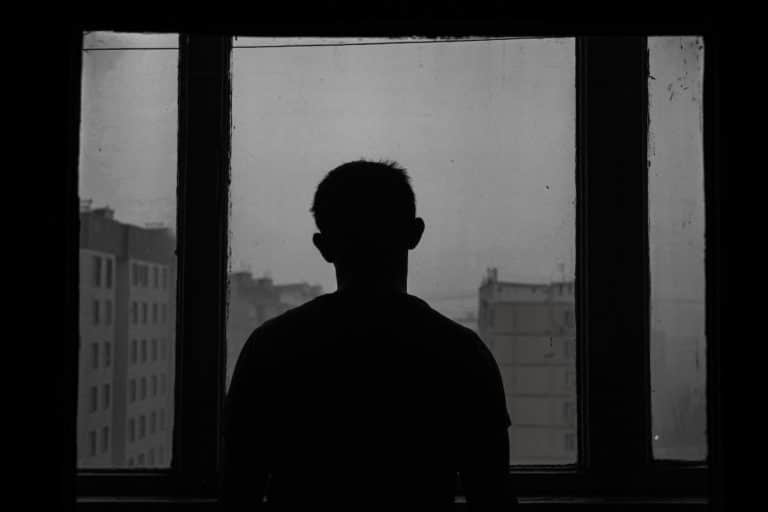
Depression Treatment Center in California
Clinical depression is a mood disorder causing persistent sadness and loss of interest, affecting daily feelings, thoughts, and function. Serious symptoms may include sadness or emptiness, loss of interest, sleep changes, fatigue, worthlessness or guilt, and suicidal thoughts.
If depression includes thoughts of death, self-harm, or suicide, seek professional help immediately. At Southern California Sunrise Recovery Center, our staff understands the exhausting isolation when depression disrupts work, relationships, and tasks. We offer residential treatment for depression with psychotherapy, CBT/DBT, medication management, and holistic wellness like yoga in a supportive setting.
What Is Clinical Depression?
Clinical depression is a mood disorder causing persistent sadness and loss of interest that impairs daily functioning.
It differs from temporary sadness by lasting at least two weeks with symptoms like sleep/appetite changes, fatigue, worthlessness, concentration issues, and suicidal thoughts, often requiring medication or psychotherapy. Causes involve brain chemistry imbalances, genetics, hormones, and stressors; women face higher risk, with episodes typically multiple over a lifetime. Subtypes include seasonal, postpartum, and persistent depressive disorder, while distinguishing it from bipolar involves checking for manic episodes.
Signs & Symptoms of Depression
Symptoms of depression range from mild low mood and fatigue to severe symptoms like suicidal thoughts and major functional impairment. Depression symptom examples include:
- Lack of interest in hobbies and other activities
- Suicidal thoughts
- Physical aches and pains
- Decrease in energy
- Changes in appetite
- Thoughts of guilt and hopelessness
- Changes in sleep patterns
- Heightened irritability and agitation
- Lack of motivation
- Minimal movement and activity
Types of Depression
Depression takes many forms beyond the everyday blues, each with unique triggers, durations, and impacts on daily life. Understanding these different types (and what they mean for symptoms and treatment) empowers you to recognize when professional help from centers like Southern California Sunrise Recovery Center could make all the difference.
Some common types of depression treated in the United States include:
- Major Depressive Disorder (Clinical Depression): Intense episodes lasting at least two weeks, impairing daily life with sadness, hopelessness, and physical symptoms.
- Persistent Depressive Disorder (Dysthymia): Chronic, milder depression lasting two years or more, often with ongoing low mood and fatigue.
- Bipolar Depression: Depressive phases alternating with mania or hypomania, requiring mood stabilizers.
- Postpartum Depression: Onset during pregnancy or within months after birth, involving severe mood changes and anxiety.
- Seasonal Affective Disorder: Recurrent depression tied to reduced sunlight in fall/winter, improving in spring.
- Psychotic Depression: Major depression with delusions or hallucinations, often needing hospitalization.
4 Leading Causes of Depression
Depression arises from a complex mix of biological, psychological, and environmental factors, with no single cause but several key contributors are worth noting.

Genetics
Depression and many other types of mood disorders are often seen to run in families. Neurotransmitter disruptions like low serotonin or dopamine levels impair mood regulation, often linked to genetic vulnerabilities.

Trauma
When someone experiences a trauma-causing event in the early years of their life, it can affect them down the road. These events can cause long-term changes in how their brain learns to process the feelings of stress or fear.

Life Events
Relationship changes, financial situation, home surroundings, and marital status are all heavy contributors. These factors determine whether the likelihood of someone developing depression is higher or not.

Drug or Alcohol Abuse
Alcohol, drugs, or conditions like anxiety exacerbate brain changes. Co-occurring disorders require specialized forms of treatment so that both conditions are adequately addressed and cared for correctly.
How to Treat Depression
Depression treatment options range from psychotherapy and medication to innovative approaches like holistic wellness and residential care, offering hope tailored to individual needs. Explore these evidence-based strategies to find the right path toward lasting relief and recovery.
Residential Treatment
Residential treatment for depression is warranted when symptoms severely impair daily functioning despite outpatient efforts, such as inability to work, maintain relationships, or perform basic self-care.
It’s particularly essential if there’s imminent risk of self-harm, suicidal ideation, or attempts, requiring 24/7 monitoring for safety. Co-occurring disorders like substance use or when medications/therapy fail to stabilize mood also indicate the need for structured residential care with comprehensive assessment and intensive therapy.
Profound isolation, psychosis, or acute crisis states demand this level to prevent deterioration and build long-term coping skills in a supportive environment.
Medications
Antidepressants are available in a wide range of strengths. This makes it easier to determine which is the most appropriate drug for a person’s symptoms. Prescription antidepressants are available in many forms. An individual’s symptoms and needs determine which antidepressant is right for them.
Typically, antidepressants work by balancing neurotransmitters, which are the chemicals that regulate brain communication. A number of chemicals are involved in this, including serotonin, and dopamine. Higher levels of these chemicals usually correspond with lower levels of depression.
The effectiveness of antidepressants varies from patient to patient as well. The length at which the drug stays in your body also varies with the individual. The effects of some drugs last for 36 hours, while other last for a few days.
Psychotherapy
Mental health professionals treat depression through psychotherapy, which involves talking about your condition and related issues with them. Talk therapy or psychological therapy are other names for psychotherapy.
Depression can be treated with various types of psychotherapy, including cognitive-behavioral therapy and interpersonal therapy. Other types of therapy may also be recommended by your mental health professional.
Each client, upon arriving at Southern California Sunrise Treatment Center for depression, is welcome with open arms. Our mental health professionals are prepared to do everything in their power to customize a treatment plan specifically for you.
What Makes SoCal Sunrise Recovery Unique
Southern California Sunrise Recovery Center, a premier residential mental health facility in Mission Viejo, Orange County, CA, specializes in clinical depression treatment through tailored plans that stabilize symptoms and build lifelong coping tools. Our integrated approach combines evidence-based therapies like CBT and DBT with holistic methods such as yoga and equine therapy, all in a serene, home-like environment to foster deep healing.
Personalized Treatment Plans: Every client receives a thorough psychological evaluation and customized care addressing depression’s unique roots, ensuring targeted recovery unlike one-size-fits-all programs.
Holistic + Evidence-Based Blend: Merges traditional therapies (CBT, medication management) with innovative options like Reiki, meditation, and art therapy for whole-person wellness.
Serene Orange County Setting: Luxurious, pet-friendly residences with high comfort standards, sunny climate, and proximity to beaches create an ideal backdrop for emotional healing.
Comprehensive Aftercare Support: Alumni programs, family therapy, and ongoing resources promote long-term success, with in-network insurance for accessibility.
Residential Treatment for Depression in California
Don’t let your loved one or yourself suffer knowingly from depression. Our services provide therapeutic and medicinal treatments that are uniquely catered to each patient that walks through our doors.
Ready to reclaim your life from depression? Call Southern California Sunrise Recovery Center at (844) 543-2563 today for a confidential assessment and personalized treatment plan.
Frequently Asked Questions
People feel sad every once in a while or even for a long period of time and thats normal. The main difference between feeling down and clinical depression is that clinical depression restricts you from enjoying day to day or normal activities. Depression can last for weeks, months or even years often getting worse with time.
Depression can be different for everyone. Some individuals can see positive results quickly after receiving treatment while others need drastic changes to their lives to see improvement.
Women are twice as likely to get depression then men. This could be due to the hormonal changes they go through as women. This includes experience such as pregnancy, menopause, or even after giving birth.
Various types of depression can last for months or even years if it is left untreated. Different types of depression have different duration. For example, seasonal depression usually extends throughout the winter months and improves during spring and summer.
Effective depression management starts with professional guidance, such as therapy or medication, combined with daily self-care routines like consistent sleep and nutrition. Building a support network and practicing stress-reduction techniques, like mindfulness from centers such as Southern California Sunrise Recovery Center, sustains long-term stability.
No single best treatment exists, but a combination of psychotherapy like CBT and antidepressants often yields the strongest results for most people. For severe or resistant cases, residential programs integrating holistic therapies provide comprehensive relief tailored to individual needs.
Key coping skills include exercise to boost endorphins, journaling negative thoughts to reframe them, connecting with trusted friends for emotional support, practicing deep breathing or mindfulness meditation, and maintaining a routine with healthy meals and sleep. These strategies, often taught in CBT at facilities like Southern California Sunrise, reduce symptom intensity when used daily.
Persistent sadness, loss of interest in activities, fatigue, appetite or sleep changes, and feelings of worthlessness lasting over two weeks signal possible clinical depression. Take a self-assessment quiz or consult a professional if these interfere with daily life, as early intervention improves outcomes.
You can take our online depression self-screening test to learn more.
Clinically Reviewed By:
Joe Cavins, LMFT
Joseph Cavins holds a Bachelor of Science in Human Services from Cal State Fullerton and a Master of Science in Clinical Psychology from Pepperdine Graduate School of Education and Psychology. Initially inspired during his tenure as a school bus driver, Joseph balanced his duties with his studies, demonstrating a strong commitment to his academic pursuits. Post-graduation, he gained significant experience in clinical settings, interning at Aspen Community Services where he later served for 10 years, eventually becoming a Licensed Marriage and Family Therapist. He also earned certification from the Equine Assisted Psychotherapy Association as a Mental Health Provider.
Joseph’s professional journey includes roles in private practice and contracting with the Santa Ana Unified School District’s Special Education Department, culminating in his recent position at Southern California Sunrise Recovery in 2024.