Social media fosters creativity and connection. But it has also been linked to depression, low self-esteem, anxiety, social isolation, and addiction.
Social Media and Mental Health
In today’s digital age, it seems like everyone has at least one social media account. As of 2020, approximately 3.6 billion people use social media worldwide — and this number may increase to 4.4 billion by 2025. 1
Table of Contents
Mental Health x Social Media
Although social media hasn’t been around for a very long time, these platforms have transformed the way we communicate and interact with one another. However, social media use may have a negative impact on many people’s mental health, exacerbating feelings of depression, anxiety, and low self-esteem.
Understanding how social media can impact our emotions is important; with this knowledge, we can develop a healthier relationship with these platforms and improve our mental health in the process. If you feel sad, lonely, frustrated, and spend an excessive amount of time on social media, it’s time to take a closer look at your online activities.
How to Heal Mental Health from Social Media
Behavioral Therapy is directly applicable, helping individuals identify and change the compulsive habits and reward-seeking behaviors that keep them locked in cycles of excessive social media use, much like it is used for other behavioral addictions.
Equine Therapy is a strong fit, particularly for adolescents and young people who have become socially withdrawn or emotionally dysregulated due to social media. The non-judgmental, real-world connection with animals helps rebuild authentic emotional bonds and self-worth that social media has eroded.
Narrative Therapy is especially relevant because it helps individuals separate their identity from the harmful stories social media has reinforced about them — whether through comparison, cyberbullying, or online validation-seeking — and rewrite a healthier self-narrative.
Why Social Media is Bad for Mental Health: Stats & Studies
1. CDC — Associations Between Screen Time Use and Health Outcomes Among U.S. Teenagers (2025) Centers for Disease Control and Prevention / Preventing Chronic Disease
Teens with high levels of daily screen time were more likely to report both anxiety and depression symptoms, even after adjustment for covariates. The association between screen time and social isolation and loneliness has been established in several studies.
2. CDC MMWR — Social Media Use and Bullying, Sadness, and Suicide Risk Among High Schoolers (2024) Morbidity and Mortality Weekly Report
Frequent social media users were more likely to report persistent feelings of sadness or hopelessness. Adjusted stratified analyses demonstrated consistent associations across groups, conveying a shared risk for poor mental health among students who are frequent users.
3. NCBI Bookshelf — Social Media Has Both Positive and Negative Impacts (from the Surgeon General’s Advisory, 2023) National Library of Medicine / National Institutes of Health
A longitudinal cohort study of U.S. adolescents aged 12–15 (n=6,595) found that adolescents who spent more than 3 hours per day on social media faced double the risk of experiencing poor mental health outcomes including symptoms of depression and anxiety. Deactivating a social media platform for four weeks improved subjective well-being by about 25–40% of the effect of psychological interventions like self-help therapy.
4. NYC Department of Health — Special Report on Social Media and Mental Health (2024) New York City Government
The report found that social media has created issues including distorting body image, damaging self-esteem, and inviting addiction, noting that social media platforms have been designed to be as addictive as possible.
5. CDC Youth Risk Behavior Survey (ongoing) Centers for Disease Control and Prevention Over the last decade, the CDC’s Youth Risk Behavior Survey has found a steadily growing percentage of high school students reporting persistent sadness or hopelessness, with 22% considering suicide over the same time period.
6. Khalaf et al. (2023) — Systematic Review: Social Media and Mental Health in Adolescents and Young Adults Cureus (PubMed/PMC)
This systematic review found a modest but statistically significant association between social media use and depression symptoms in children and adolescents, identifying privacy concerns, cyberbullying, and negative effects on schooling and mental health as key risks.
7. Sala et al. (2024) — Scoping Review of Reviews: Effects of Social Media on Youth Mental Health PMC / PubMed
Multiple studies reported associations between social media use and several mental health issues, including depressive and anxiety symptoms, problematic use and addiction, eating behaviors and body image concerns, and deliberate self-harm and suicidality.
8. Burgess (2025) — The Decline in Adolescents’ Mental Health with the Rise of Social Media: A Narrative Review Sage Journals / Journal of Child and Adolescent Counseling
Reviewing 30 studies published between 2016 and 2024, the paper found correlations between social media use and increased anxiety, depression, sleep problems, self-harm, and suicide. Annual increases in adolescent depression, anxiety, and suicidal thoughts and behaviors of up to 10% per year were noted.
9. Shannon et al. (2024) — Longitudinal Problematic Social Media Use in Students Psychology Research and Behavior Management
Cited in multiple reviews, this longitudinal study linked problematic social media use over time to negative mental health outcomes in student populations.
Social Media and Mental Health Problems
While the platforms do provide some benefits, other people report a negative experience using social media. We still do not know enough about the long-term impacts of social media use, and current trends suggest that there may be a strong connection between social media and mental health conditions.
These may include negative feelings about their life or appearance, an intense fear of missing out (FOMO), or worsened symptoms of depression, anxiety, suicidal ideation, or self-harm. Certain online activities, such as cyberbullying, also have a severe impact on mental health.
Negative Self-Perception
When people post on social media, they typically share the highlights of their lives. However, when all we see on our feeds are positive experiences and achievements, we can feel worse about ourselves. 2
These highly-edited highlights of other peoples’ lives can directly impact our self-esteem, resulting in negative self-perception. We may see photographs of a popular celebrity who altered their appearance using filters, and feel bad about our appearance as a result. We might see someone we know announcing their engagement or an impressive new job, and question our own accomplishments.
Fear of Missing Out (FOMO)
While FOMO is a common phenomenon that we experience on and offline, social media can exacerbate these feelings of exclusion and envy. On sites such as Instagram or Facebook, we may see people at parties and events, hanging out with friends, or traveling to exotic locales — leading us to believe that others lead better or more fun lives.
FOMO can be very harmful to our mental health, resulting in lower self-esteem and higher anxiety levels. This fear may also compel you to check your social feeds more often, resulting in exacerbated feelings of FOMO and an intense compulsion to check each and every notification you receive.
Loneliness and Isolation
Cyberbullying
Depression and Anxiety
Depression and anxiety are common mood disorders that affect millions of people across the United States. There is a correlation between time spent using social media and depression and anxiety symptoms, but it is unclear whether social media is the cause of these issues. 5
Because social media may foster feelings of FOMO, isolation, and low self-esteem, using these platforms may exacerbate symptoms in people who already have these conditions. Stepping away from social media may improve these symptoms. People who deactivated their Facebook reported fewer depression and anxiety symptoms, and saw increases in their overall happiness levels after just one month off the platform. 6
Suicidal Ideation
Social media can be a very unhealthy place for people struggling with suicidal ideation.
Cyberbullying and online harassment may trigger feelings of isolation, hopelessness, and instability, and when combined with pre-existing stressors, can increase a person’s risk for suicide. 7
If you are struggling with thoughts of suicide, you are not alone and help is available. Call the National Suicide Prevention Lifeline at 1-800-273-8255 to speak to a trained counselor.
Signs Social Media Is Affecting Your Mental Health
While everyone’s relationship with social media is unique, using these platforms should not make you feel unhappy or anxious. If you log off Facebook or Instagram feeling worse about yourself than before you started scrolling, your feeds may be impacting your mental health — and you may want to reduce your screen time.
#1: You Feel Sad, Drained, or Stressed
The emotions you feel immediately after scrolling through your feeds can provide insight on how social media is affecting your mental state. If you feel an overwhelming sense of sadness, frustration, jealousy, or loneliness after logging off, your social accounts may have a negative impact on your emotional well-being.
These feelings aren’t just in your head — there are direct correlations between social media use, mental health, and self-esteem. 8
#2: You Constantly Compare Yourself to Others
Constant comparison is a hallmark sign of unhealthy social media use. These platforms almost promote comparison — when someone posts a picture of themselves, it’s easy to think about their popularity, looks, and life experiences in comparison to our own.
However, comparing yourself to other people on social media is extremely harmful to your mental health, and is more likely to make you feel depressed. 9 Social media comparison can also directly impact your body image, and may contribute to disordered eating patterns. 10
#3: You Find It Difficult to Stay Off Social Media
It is important for all of us to take breaks from social platforms — but if you can’t disengage yourself from your accounts or approach each experience with social media in mind, you may need to step away from the screen.
People who use social media more frequently have higher reports of depression. 11 In addition, social media addiction is a serious condition that impacts thousands of people each year, resulting in more depressive symptoms than those with healthier social media relationships. 12
If you spend every moment engaging with social media, you can see consequences in other areas of your life. You may feel distracted at school or work, or disconnected from your real-life relationships. These actions often lead to real-life harm, resulting in stunted self-growth and issues at school, work, and with the people around you.
#4: Likes Directly Impact Your Self-Esteem
Social media engagement triggers the reward response in our brains, leading us to crave likes, follows, shares, and comments after we post. 13 If you don’t receive the response you were expecting — or notice your engagement differs from other people you follow — you may feel worse about yourself than before you posted.
While these numbers feel meaningful on these platforms, it’s important to remember that online engagement does not equal real-life support. If you find that your self-esteem is directly tied to the number of likes you receive, you may need to step away from the screen.
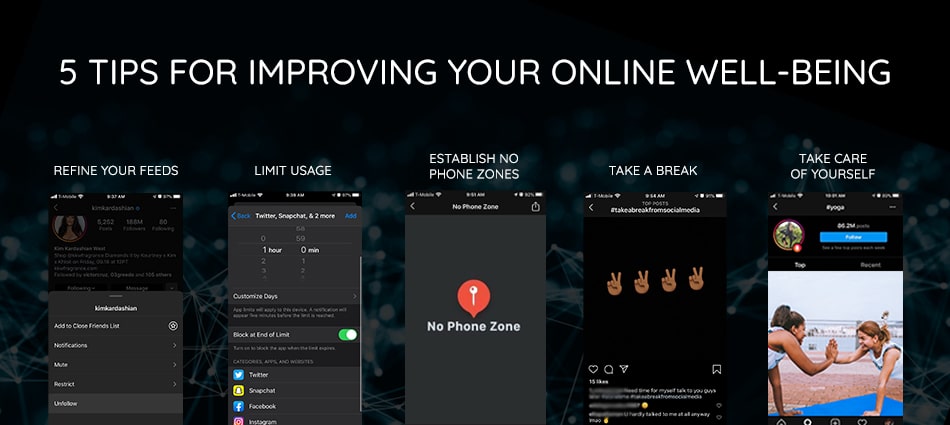
5 Easy Tips for Using Social Media Safely
Once you understand social media’s impact on your mental health, it’s time to reevaluate your relationship with these platforms. There are a few actions you can take to improve your online experiences and emotional well-being.
After re-evaluating your social media usage, add a few activities to your daily routine to foster healthier connections and improve your mental health.
- Using a gratitude journal or app
- Meditating or practicing yoga
- Volunteering in your community
- Meeting face-to-face with a friend or old acquaintance
- Joining a club to meet those with similar interests
- Exercising, playing a sport, or joining a fitness class
- Starting a new creative hobby
While these activities can help improve your emotional experience, they cannot provide mental health care. Social media is usually not the cause of anxiety or depression — but these platforms can exacerbate these symptoms.
Visit a mental health professional to discuss your symptoms and discuss a treatment program that is right for your condition.
When to Help for Social Media Mental Health Issues
When is social media use a problem? Here are some key signs your relationship with social media needs to change for the sake of your mental health and wellness:
- You have tried to cut back on social media use but cannot
- You experience thoughts of self-harm or suicide connected to online interactions
- You neglect responsibilities at school, work, or home because of social media
- You have been targeted by sustained harassment or cyberbullying online
- You experience disrupted or poor sleep due to late-night scrolling
- You experience disrupted or poor sleep due to late-night scrolling
- You use social media to escape negative feelings rather than addressing them
Social Media Mental Health Diagnosis
Social media mental health issues exist on a spectrum, ranging from problematic addictive use to the development or worsening of serious mental health conditions that may require professional treatment.
Social Media Addiction
Social media addiction is characterized by a compulsive, uncontrollable urge to check and engage with social media platforms despite negative consequences to daily functioning, relationships, and overall well-being. Like other behavioral addictions, it activates the brain’s dopamine reward system, creating cycles of craving and temporary relief that reinforce continued use.
People struggling with social media addiction often find themselves unable to cut back even when they recognize the harm it is causing, spending hours online at the expense of sleep, work, school, and in-person relationships. The compulsive need for likes, comments, and online validation can become a primary source of self-worth, making it extremely difficult to disengage.
Professional Help Recommendation: Cognitive Behavioral Therapy (CBT), which helps identify and restructure the thought patterns and behaviors driving compulsive social media use.
Mental Illness Caused by Social Media
While pre-existing vulnerabilities play a role, social media can directly contribute to the onset of mental health conditions in individuals who may not have otherwise developed them. Cyberbullying is one of the most well-documented causes, with sustained online harassment linked to the development of depression, anxiety, and post-traumatic stress disorder in young people.
Prolonged exposure to idealized or curated images of others’ lives can trigger the development of body dysmorphic disorder or eating disorders in previously unaffected individuals. Social isolation driven by replacing real-world connection with online interaction can also lead to the emergence of clinical depression and social anxiety disorder.
Professional Help Recommendation: Trauma-Focused Cognitive Behavioral Therapy (TF-CBT), particularly for those whose mental illness developed as a result of cyberbullying, harassment, or other traumatic online experiences.
Mental Illness Aggravated by Social Media
For individuals already living with a mental health condition, social media can act as a powerful and persistent trigger that worsens symptoms and undermines recovery. Someone managing an eating disorder may be repeatedly exposed to pro-eating-disorder content or idealized body images that reinforce disordered thinking.
A person with anxiety or OCD may find that social media feeds compulsive checking behaviors and catastrophic thinking. Those with depression may engage in excessive social comparison that deepens feelings of worthlessness and hopelessness. Even conditions like ADHD can be aggravated by the constant stimulation and fragmented attention that social media platforms are designed to encourage, making it harder to manage symptoms in daily life.
Professional Help Recommendation: Dialectical Behavior Therapy (DBT), which builds distress tolerance and emotional regulation skills that help individuals manage triggers encountered on social media without falling into harmful behavioral patterns.
When is Residential Treatment Needed for Social Media Mental Health Issues?
Residential treatment may be necessary when social media-related mental health issues have become so severe that outpatient support is no longer sufficient to ensure safety and recovery.
This level of care is appropriate when a person is experiencing trauma responses or PTSD symptoms triggered by online harassment or cyberbullying that have become debilitating in daily life.
Individuals whose social media use has fueled a serious eating disorder—particularly when exposure to harmful content has contributed to dangerous restriction, purging, or significant medical instability—may require the structure and 24-hour support of a residential program.
Severe social media addiction that has led to complete withdrawal from real-world relationships, academic or occupational failure, and inability to function without device access may also warrant residential intervention.
When social media use is connected to active suicidal ideation, self-harm behaviors, or a psychotic break in which someone has lost touch with reality versus their online persona, residential treatment provides the intensive, supervised environment needed for stabilization and comprehensive care.
References
1. Clement, J. (2020) Number of social network users worldwide from 2017 to 2025. Statista. 🔗 https://www.statista.com/statistics/278414/number-of-worldwide-social-network-users/
2. Woods, H. C., & Scott, H. (2016) #Sleepyteens: Social media use in adolescence is associated with poor sleep quality, anxiety, depression and low self-esteem. Journal of Adolescence, 51, 41–49. 🔗 https://doi.org/10.1016/s0140-1971(99)90278-6
3. Hunt, M. G., Marx, R., Lipson, C., & Young, J. (2018) No More FOMO: Limiting Social Media Decreases Loneliness and Depression. Journal of Social and Clinical Psychology, 37(10), 751–768. 🔗 https://doi.org/10.1521/jscp.2018.37.10.751
4. The Children’s Society. (2019) Safety Net: Cyberbullying’s impact on young people’s mental health. 🔗 https://www.childrenssociety.org.uk/sites/default/files/social-media-cyberbullying-inquiry-summary-report.pdf
5. Keles, B., McCrae, N., & Grealish, A. (2020) A systematic review: the influence of social media on depression, anxiety and psychological distress in adolescents. International Journal of Adolescence and Youth, 25(1), 79–93. 🔗 https://doi.org/10.1080/02673843.2019.1590851
6. Allcott, H., Braghieri, L., Eichmeyer, S., & Gentzkow, M. (2020) The Welfare Effects of Social Media. American Economic Review, 110(3), 629–676. 🔗 https://doi.org/10.1257/aer.20190658
7. Luxton, D. D., June, J. D., & Fairall, J. M. (2012) Social media and suicide: a public health perspective. American Journal of Public Health, 102(Suppl 2), S195–S200. 🔗 https://doi.org/10.2105/AJPH.2011.300608
8. Bányai, F., Zsila, Á., Király, O., Maraz, A., Elekes, Z., et al. (2017) Problematic Social Media Use: Results from a Large-Scale Nationally Representative Adolescent Sample. PLOS ONE, 12(1): e0169839. 🔗 https://doi.org/10.1371/journal.pone.0169839
9. O’Keeffe, G. S., & Clarke-Pearson, K. (2011) The Impact of Social Media on Children, Adolescents, and Families. Pediatrics, 127(4), 800. 🔗 https://pediatrics.aappublications.org/content/127/4/800
10. Block, M., Stern, D. B., Raman, K., et al. (2014) The relationship between self-report of depression and media usage. Frontiers in Human Neuroscience, 8, 712. 🔗 https://doi.org/10.3389/fnhum.2014.00712
11. Shensa, A., Escobar-Viera, C. G., Sidani, J. E., et al. (2017) Problematic social media use and depressive symptoms among U.S. young adults: A nationally-representative study. Social Science & Medicine, 182, 150–157. 🔗 https://doi.org/10.1016/j.socscimed.2017.03.061
12. Sherman, L. E., Hernandez, L. M., Greenfield, P. M., & Dapretto, M. (2018) What the brain ‘Likes’: neural correlates of providing feedback on social media. Social Cognitive and Affective Neuroscience, 13(7), 699–707. 🔗 https://doi.org/10.1093/scan/nsy051
13. Alfasi, Y. (2019) The grass is always greener on my friends’ profiles: The effect of Facebook social comparison on state self-esteem and depression. Personality and Individual Differences, 147, 111–117. 🔗 https://doi.org/10.1016/j.paid.2019.04.032
14. Briguglio, M., Vitale, J. A., Galentino, R., et al. (2020) Healthy Eating, Physical Activity, and Sleep Hygiene (HEPAS) as the Winning Triad for Sustaining Physical and Mental Health in Patients at Risk for or with Neuropsychiatric Disorders. Neuropsychiatric Disease and Treatment, 16, 55–70. 🔗 https://doi.org/10.2147/NDT.S229206
15. U.S. Department of Health & Human Services / Surgeon General (2023) Social Media and Youth Mental Health: The U.S. Surgeon General’s Advisory. 🔗 https://www.hhs.gov/surgeongeneral/reports-and-publications/youth-mental-health/social-media/index.html
16. Zablotsky, B., et al. (2025) — CDC Associations Between Screen Time Use and Health Outcomes Among U.S. Teenagers. Preventing Chronic Disease. 🔗 https://www.cdc.gov/pcd/issues/2025/24_0537.htm
17. CDC Morbidity and Mortality Weekly Report (2024) Frequent Social Media Use and Experiences with Bullying Victimization, Persistent Feelings of Sadness or Hopelessness, and Suicide Risk Among High School Students — Youth Risk Behavior Survey, United States, 2023. 🔗 https://www.cdc.gov/mmwr/volumes/73/su/su7304a3.htm
18. Office of the Surgeon General (2023) — NCBI Bookshelf Social Media Has Both Positive and Negative Impacts on Children and Adolescents. National Library of Medicine / NIH. 🔗 https://www.ncbi.nlm.nih.gov/books/NBK594763/
19. NYC Department of Health (2024) Special Report on Social Media and Mental Health. 🔗 https://www.nyc.gov/assets/doh/downloads/pdf/mh/social-media-mental-health-report-2024.pdf
20. CDC Youth Risk Behavior Survey (ongoing) 🔗 https://www.cdc.gov/yrbs
21. Khalaf, A. M., et al. (2023) The Impact of Social Media on the Mental Health of Adolescents and Young Adults: A Systematic Review. Cureus, 15(8): e42990. 🔗 https://pmc.ncbi.nlm.nih.gov/articles/PMC10476631/
22. Sala, et al. (2024) Effects of Social Media Use on Youth and Adolescent Mental Health: A Scoping Review of Reviews. PMC / PubMed. 🔗 https://pmc.ncbi.nlm.nih.gov/articles/PMC12108867/
23. Burgess, K. (2025) The Decline in Adolescents’ Mental Health with the Rise of Social Media: A Narrative Review. Journal of Child and Adolescent Counseling. 🔗 https://journals.sagepub.com/doi/10.1177/10784535251328925
24. Shannon, H., et al. (2024) Longitudinal Problematic Social Media Use in Students and Its Association with Negative Mental Health Outcomes. Psychology Research and Behavior Management, 17, 1551–1560. 🔗 https://doi.org/10.2147/prbm.S450217